
Nitinol alloys are commonly used for the manufacture of self-expanding stents. These materials have super-elasticity and shape memory properties, allowing better navigability and placement of the stent. Valvular implants have three manufactured parts to be considered: the mesh (i.e., stent), a cover, and leaflets. This work explains the laser cutting procedure and the parameter variation for the stent manufacture. A preliminary study was conducted to analyze the influence of the process parameters (spot overlap and pulse energy) on the dross surface and surface roughness, kerf width, and chemical composition. These outcomes have an effect on the stent surface integrity, which is related to microcracks and residual stresses, which negatively affect the stent performance. Our results indicated that dross surface percentage decreased with lower pulse energy (30.82 mJ) and higher spot overlap (83.31%), suggesting a relationship between these parameters. Results showed a reduction in the kerf width using lower pulse energy levels (i.e., 30.82 mJ, 31.49 mJ). Ra and Rz's surface roughness parameters were reduced with the highest pulse energy (32.16 mJ). According to the results, no consistent relationship was found between the spot overlap and the responses of the recast layer and kerf width. Laser-cut samples presented a recast layer showing an increase in the Oxygen concentration reduction of the Nickel and Titanium. And an increase in the microhardness of the affected zone.
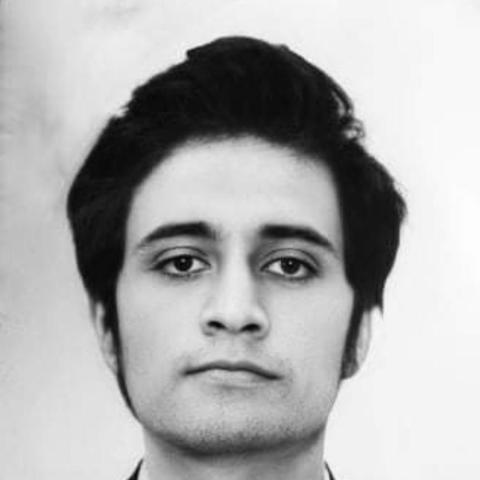
Presenter
Giovanni Palencia-Mercado
Tecnologico de Monterrey, Escuela de Ingenieria y Ciencias.

About Giovanni
Eng. Giovanni Palencia Mercado, is an industrial mechanical engineer, trained at the Technological Institute of Nuevo Laredo (2020).
He is currently a graduate student, for the Master of Science program with a specialty in manufacturing systems, at the Tecnologico de Monterrey campus Monterrey. During his academic training, he has focused his research on the study and characterization of the laser micro cutting process for the manufacture of cardiovascular devices, as well as its mechanical characterization. He has experience in micro cutting and laser welding, additive manufacturing, industrial automation, and computer-aided design.
Keywords
- Laser Cutting
- Nitinol
- Pulse Energy
- Spot Overlap
- Stent